Organised by the Greater Caspian Association

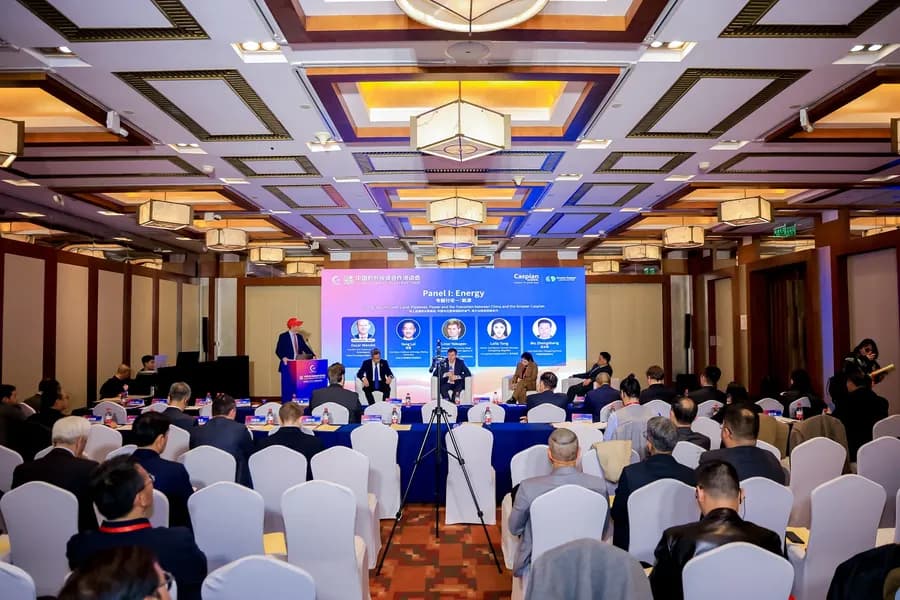
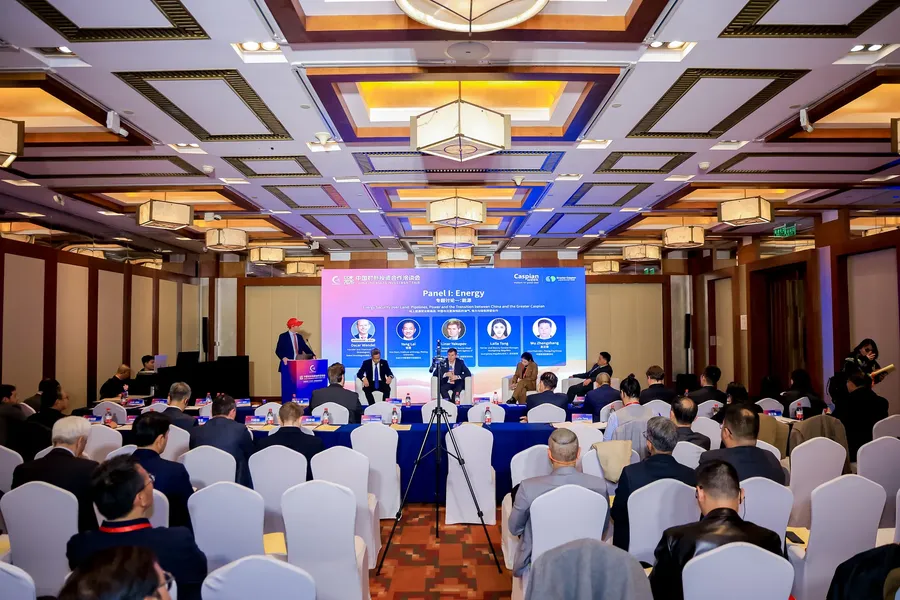
Panel I. Energy Security over Land: Pipelines, Power and the Transition between China and the Greater Caspian

3 November 2026, 14:20Caspian Week Forum BeijingEnergy, resources and industry

Energy security now means storage and flexibility as well as supply

What was discussed

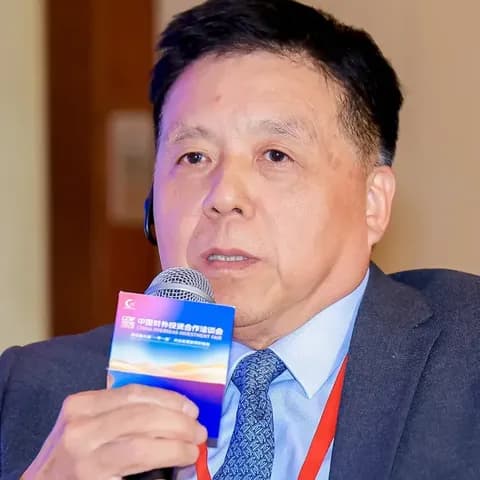
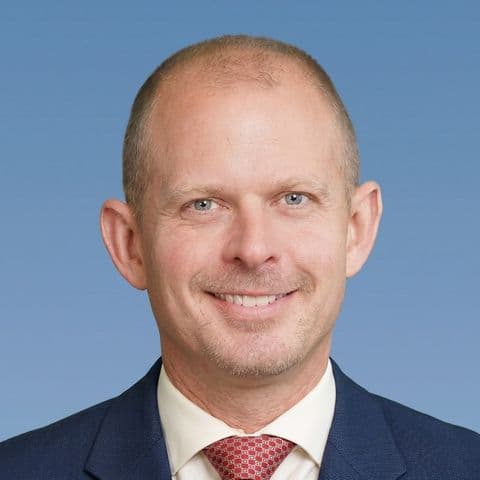
Moderated by Oscar Wendel, the panel looked at how China's new energy system and the resources of the Greater Caspian fit together. Yang Lei set out the energy transition under China's 15th Five-Year Plan and called for shared policies and standards between China and the region. Linar Yakupov described Central Asia's investment moment: hydropower in Tajikistan and Kyrgyzstan becoming bankable, Gulf capital arriving, Islamic finance and public-private partnerships spreading, and governments courting data centres. Laila Tang explained why sodium-ion batteries suit cold, remote grids and mining camps. Wu Zhengzhang argued that the region lacks neither resources nor capital but a stable, predictable policy environment and flexible currency conversion, and proposed a pilot Caspian Energy Fund.

  • China imports about 40% of its gas and 70% of its oil, so partners in the region matter for its energy security, while cheap solar and wind open new fields of cooperation. (Yang Lei)
  • Hydropower in mountainous Tajikistan and Kyrgyzstan is becoming bankable, and four of the world's ten fastest-growing economies are in Central Asia. (Linar Yakupov)
  • Islamic finance and public-private partnerships can mobilise domestic savings and package energy projects for investors. (Linar Yakupov)
  • Sodium-ion batteries keep more than 80% of their capacity at minus 40 degrees Celsius and suit remote mines, off-grid communities and back-up power for data centres. (Laila Tang)
  • Private equity is largely absent from Caspian energy because of a maturity mismatch, limited currency convertibility and risk perception. (Wu Zhengzhang)
  • A pilot Caspian Energy Fund, with guarantee institutions going in first and policy and commercial banks following, could start with one gas field or one cross-border power line. (Wu Zhengzhang)

No recording of this session is in the archive.

Key takeaways

Panel I on energy security over land
  1. Energy security now means storage and flexibility as well as supply: sodium-ion batteries can make the region's wind, solar and hydro power reliable on cold, remote grids.

  2. Capital, not resources, is the binding constraint: long-term finance follows a stable, predictable policy environment and convertible currencies.

Highlights

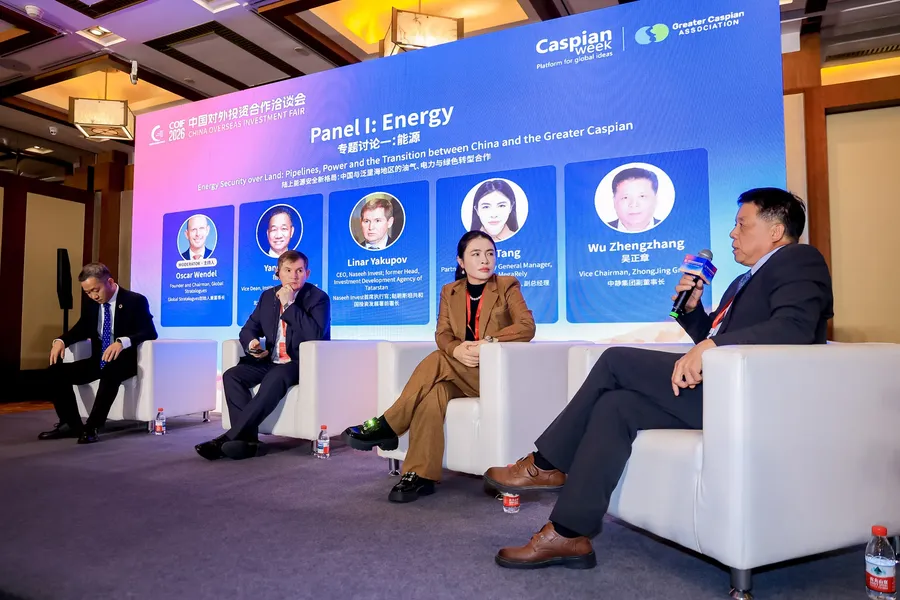
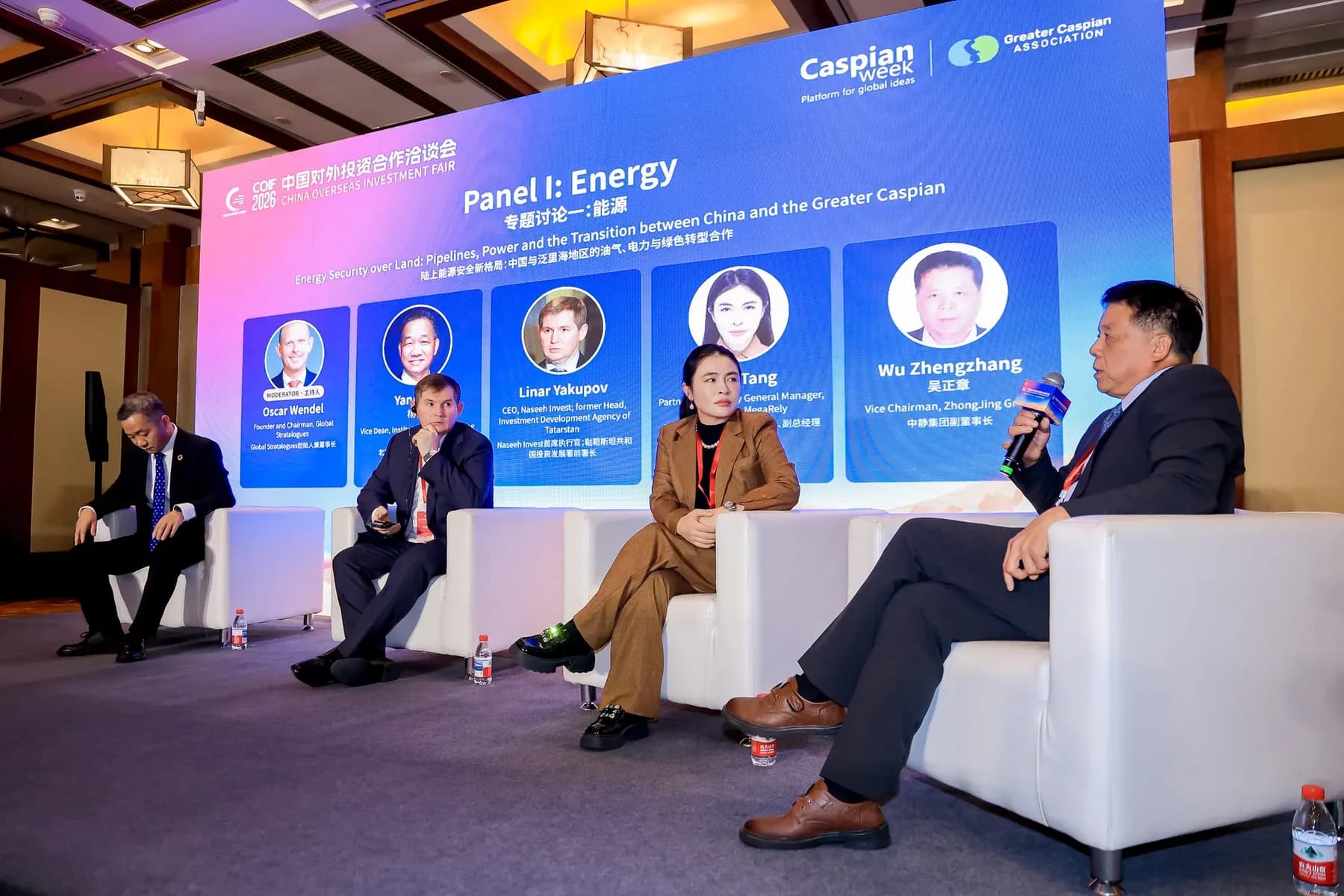
Panel I: Linar Yakupov, Laila Tang and Wu Zhengzhang on stage
01

A pilot Caspian Energy Fund

Guarantee agencies go in first, policy and commercial banks follow, starting with one gas field or one cross-border power line.

Wu ZhengzhangZhongjing GroupPanel I

Photos

Panel I on energy security over land
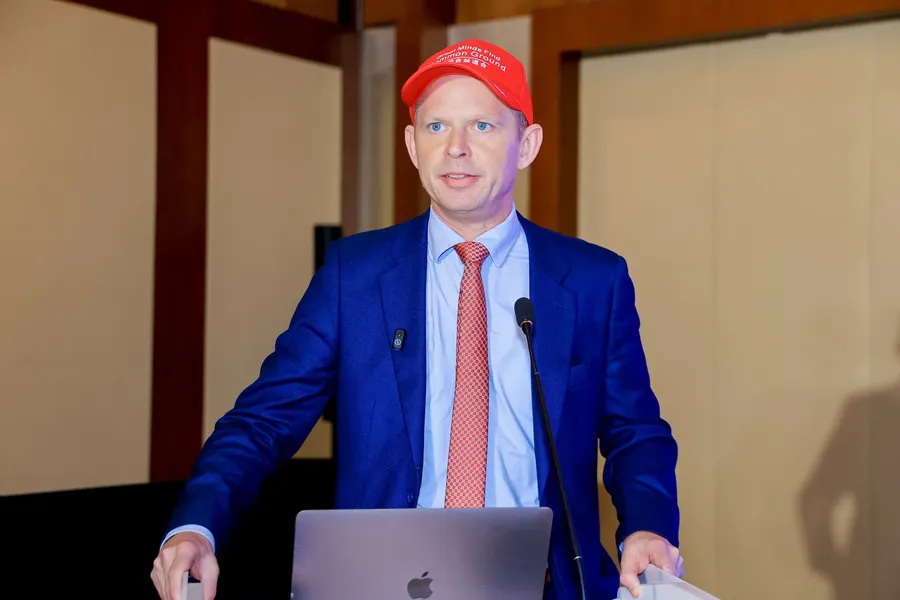
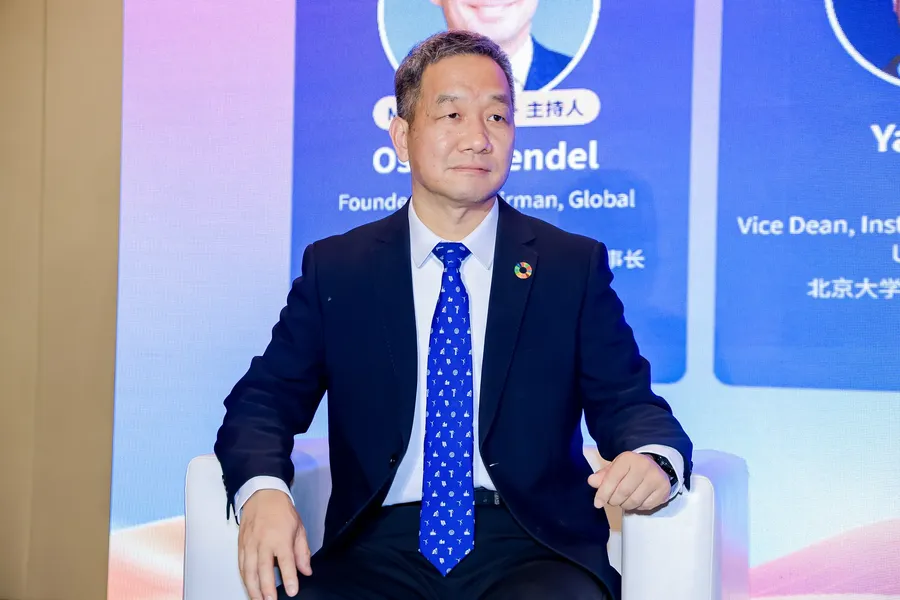
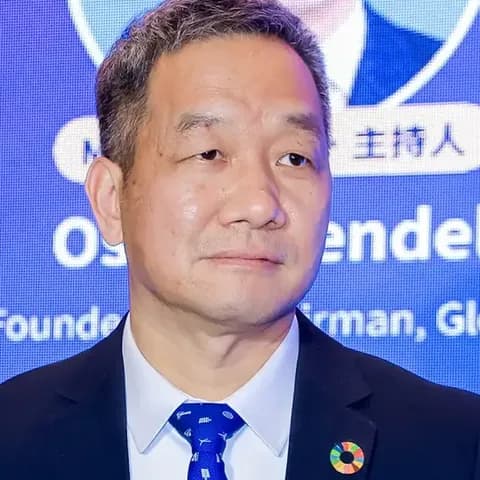
Oscar Wendel, Founder and Chairman of Global Stratalogues, moderates Panel I
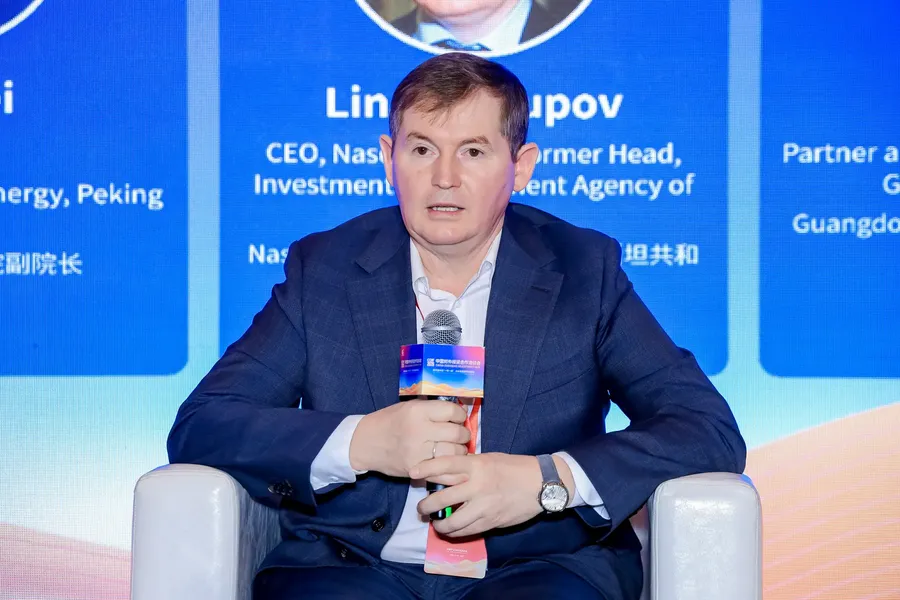
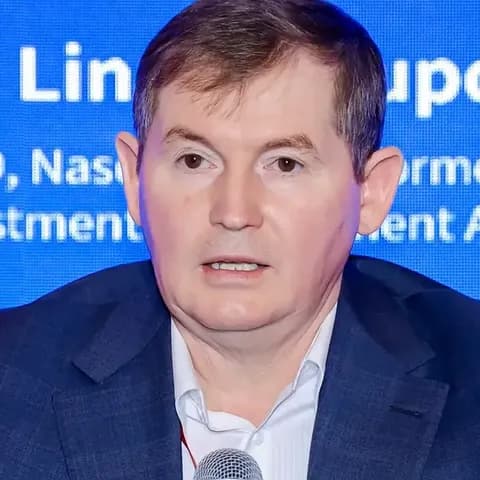
Linar Yakupov, CEO of Naseeh Invest, in Panel I
Yang Lei, Vice Dean of the Institute of Energy at Peking University, in Panel I
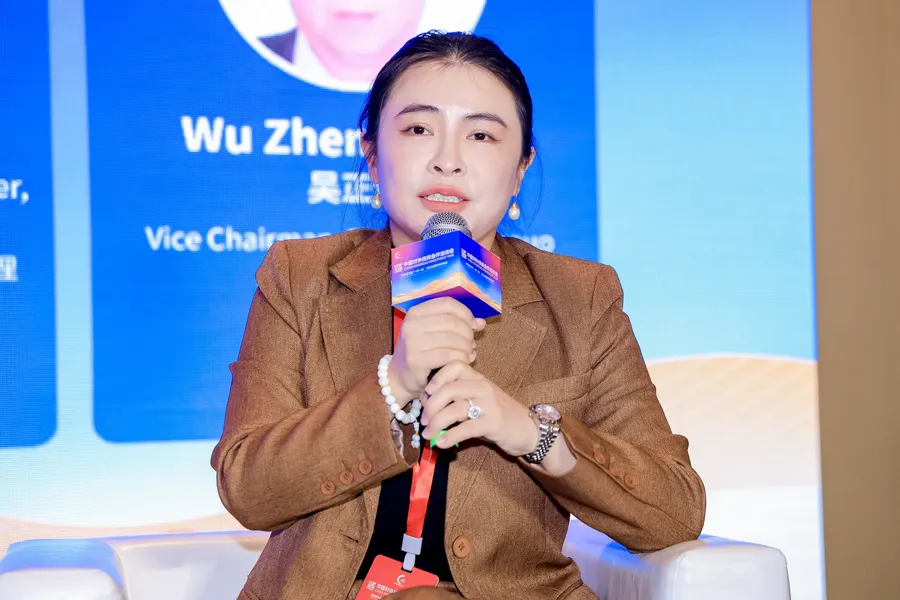
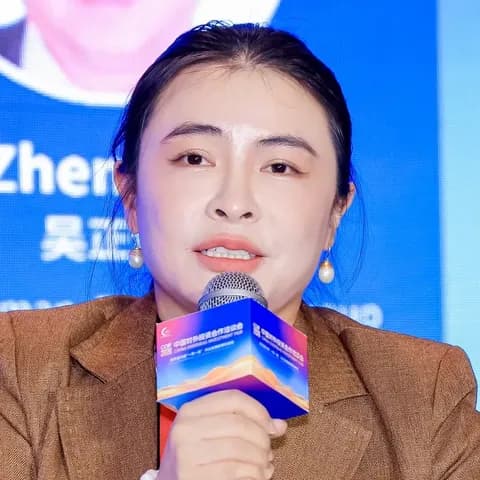
Laila Tang of Guangdong MegaRely New Energy Technology in Panel I
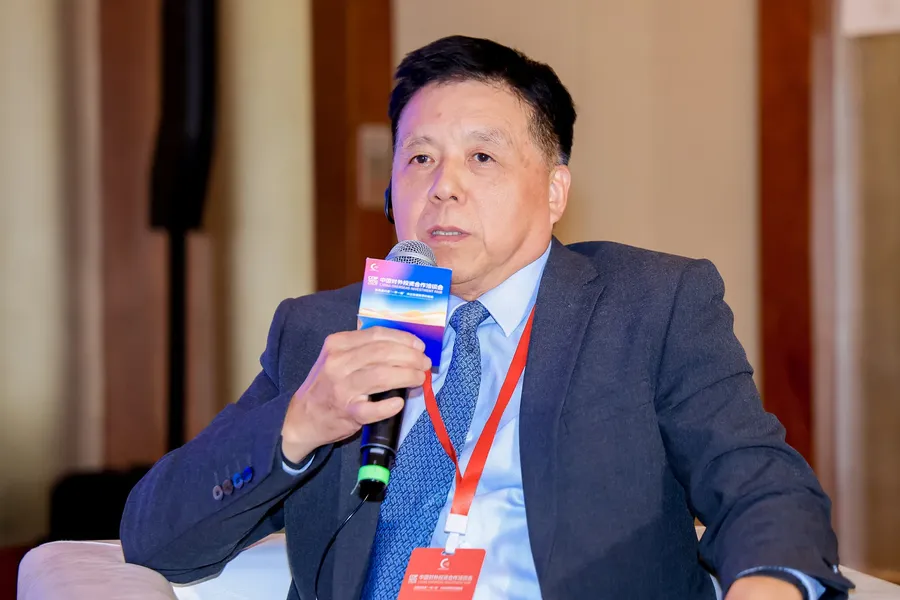
Wu Zhengzhang, Vice Chairman of Zhongjing Group, in Panel I
Panel I: Linar Yakupov, Laila Tang and Wu Zhengzhang on stage