Organised by the Greater Caspian Association

Panel III. From Transit Route to Trade Hub: Scaling the Middle Corridor and New China-Central Asia Rail Links

3 November 2026, 15:50Caspian Week Forum BeijingTrade, corridors and logistics

From transit route to trade hub on the Middle Corridor

What was discussed

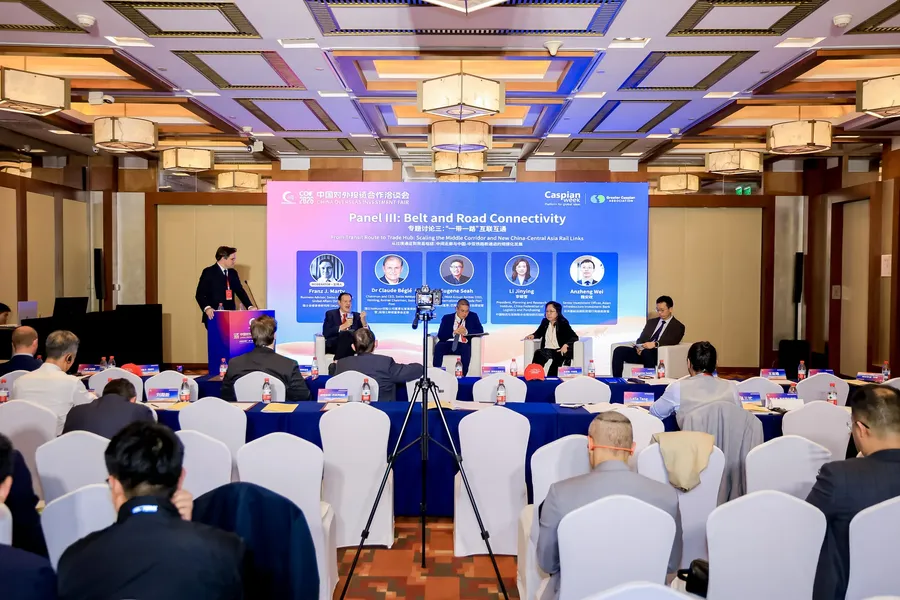
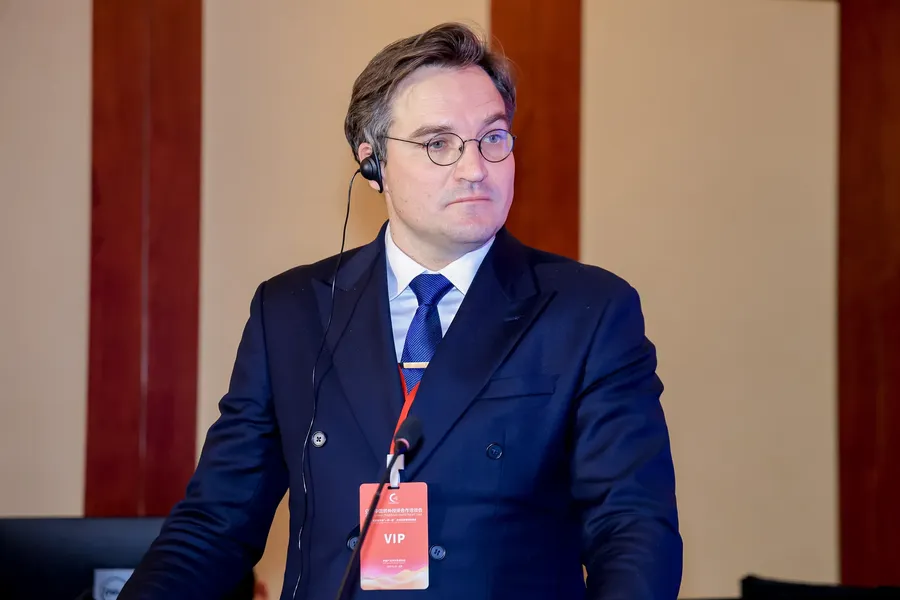
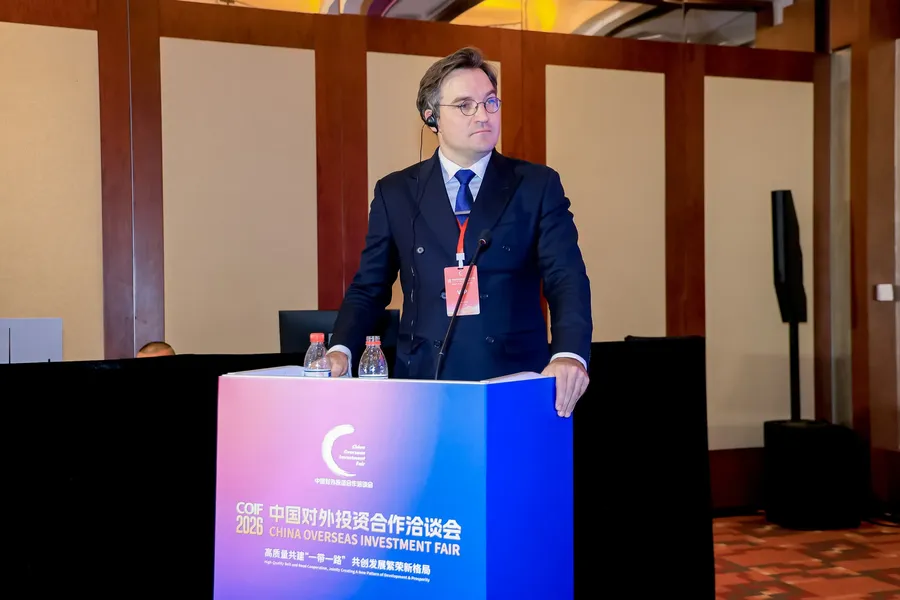
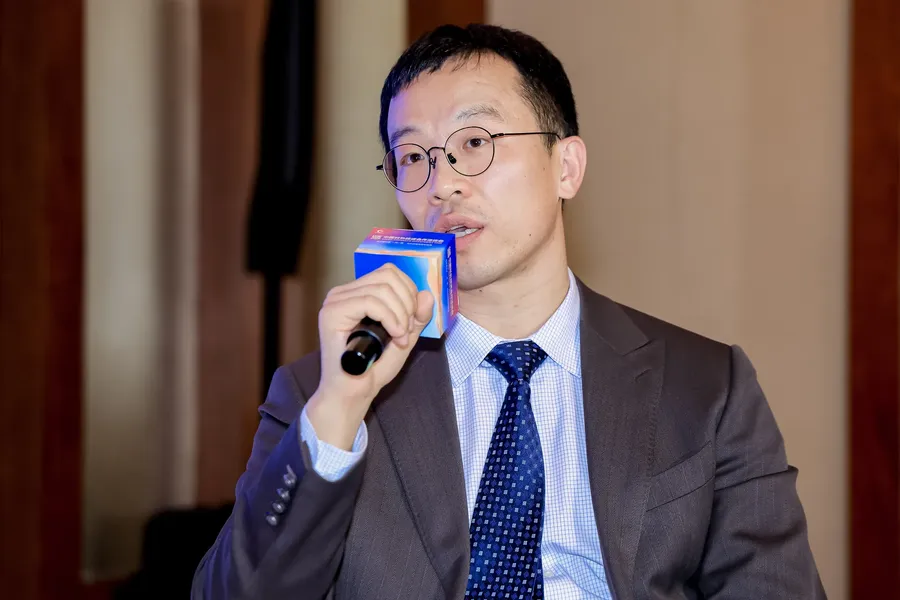
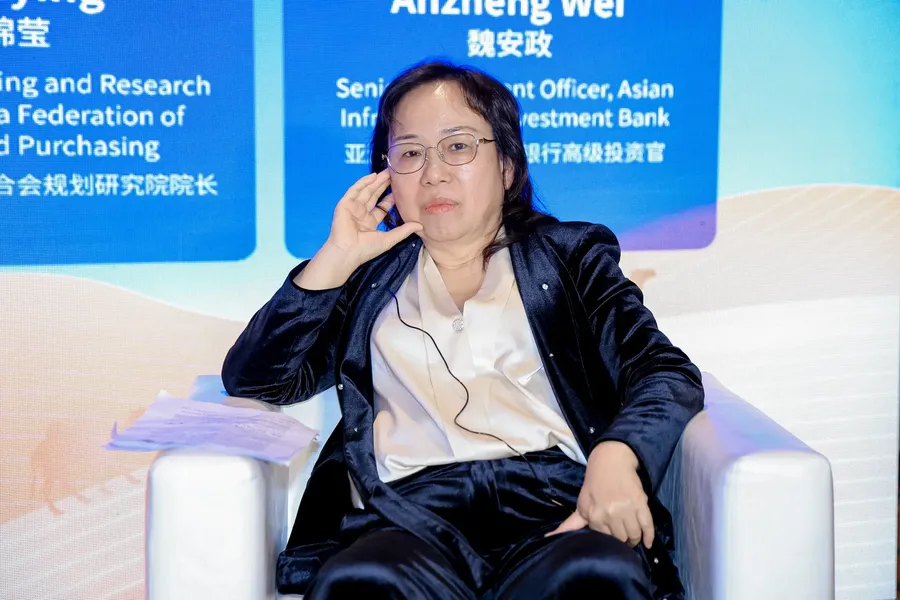
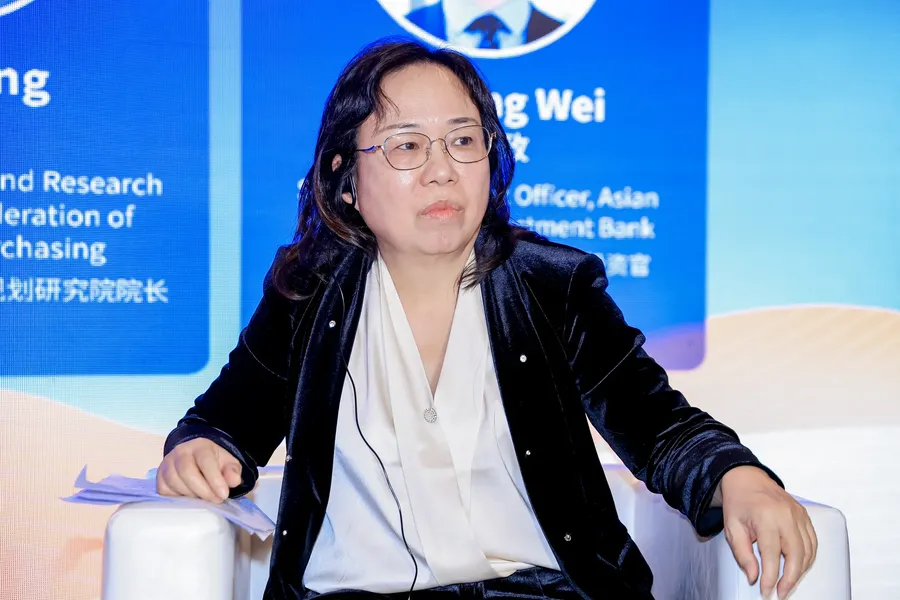
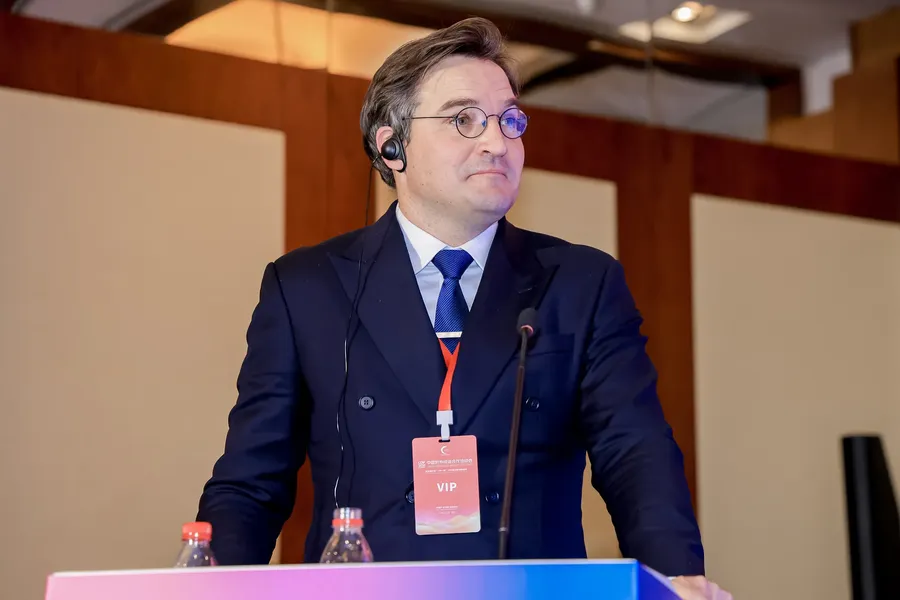
Moderated by Franz J. Marty, the panel reviewed what the Middle Corridor has achieved and what remains to be done. Dr Claude Béglé urged planners to think in every direction and to build for resilience rather than lowest cost. Eugene Seah showed that the bottleneck is the transfer between rail and sea, not the track, and proposed ship-to-wagon cranes and free zones on both shores of the Caspian. Li Jinying drew on the China-Europe Railway Express and the New Western Land-Sea Corridor and offered to build a Middle Corridor index with the Greater Caspian Association. Anzheng Wei described AIIB's investment in the corridor and the shift from a transport corridor to an economic corridor.

  • Build alternatives and resilience instead of a single lowest-cost route, and keep cross-border rules common and stable. (Dr Claude Béglé)
  • In January the fastest train from Xi'an to Baku took 11 days against an average of 16; the lost days are at the transfer points. (Eugene Seah)
  • Westbound containers outnumber eastbound ones about four to one; free zones at the ports can create cargo in both directions. (Eugene Seah)
  • Corridor efficiency is set by its weakest link; a shared Middle Corridor index on cost, transit time and reliability can drive coordination. (Li Jinying)
  • AIIB has invested in 14 corridor-related projects worth USD 5.3 billion and plans more than USD 1 billion a year over the next five years. (Anzheng Wei)
  • Infrastructure is like a skeleton: start with the economy, then build the infrastructure. (Dr Claude Béglé)

No recording of this session is in the archive.

Key takeaways

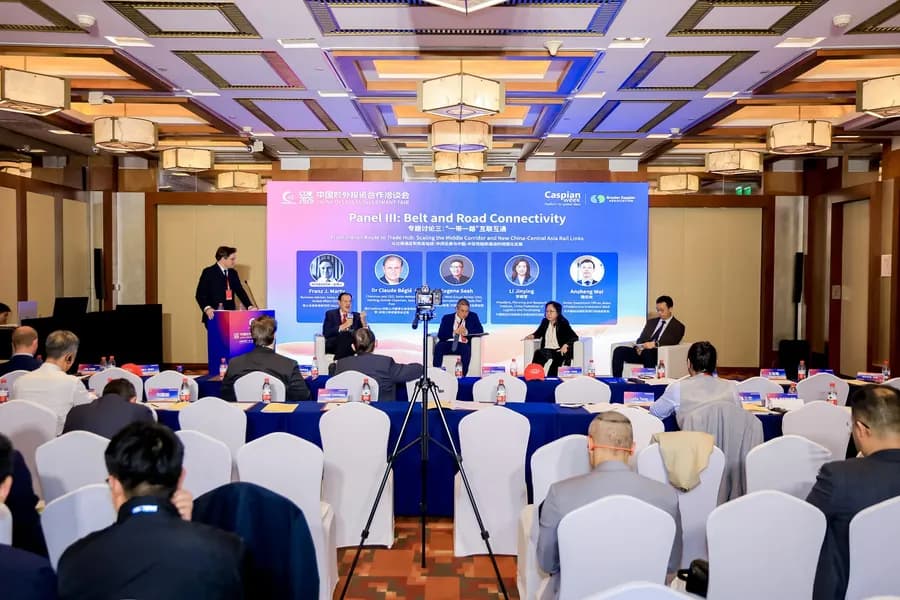
Panel III on Belt and Road connectivity
  1. The Middle Corridor's bottleneck is the transfer between rail and sea, not the track, and both shores of the Caspian must be fixed together.

  2. The corridor is moving from a transit route to an economic corridor built on regional trade, free zones and shared data.

In figures

Figures from the forum: what they mean, and who gave them.

5 of 16days

on a container train from Xi'an to Baku are lost where cargo moves between rail and sea, not on the track.

Fastest train, January11 daysAverage train16 dayslost at transfer points

So fixing the ports on both shores of the Caspian matters most.

As stated byEugene SeahPAKA Group, Panel III
USD 5.3 billion

invested by the Asian Infrastructure Investment Bank in 14 corridor-related projects.

With more than USD 1 billion a year planned to 2030–31, the corridor already has a major development lender behind it.

As stated byAnzheng WeiAsian Infrastructure Investment Bank, Panel III
Panel III on Belt and Road connectivity
4 to 1westback east

Four containers travel west on the Middle Corridor for every one that comes back east.

One-way flows cost time. Free zones at Aktau and Alat were proposed to create cargo in both directions.

As stated byEugene SeahPAKA Group, Panel III

Highlights

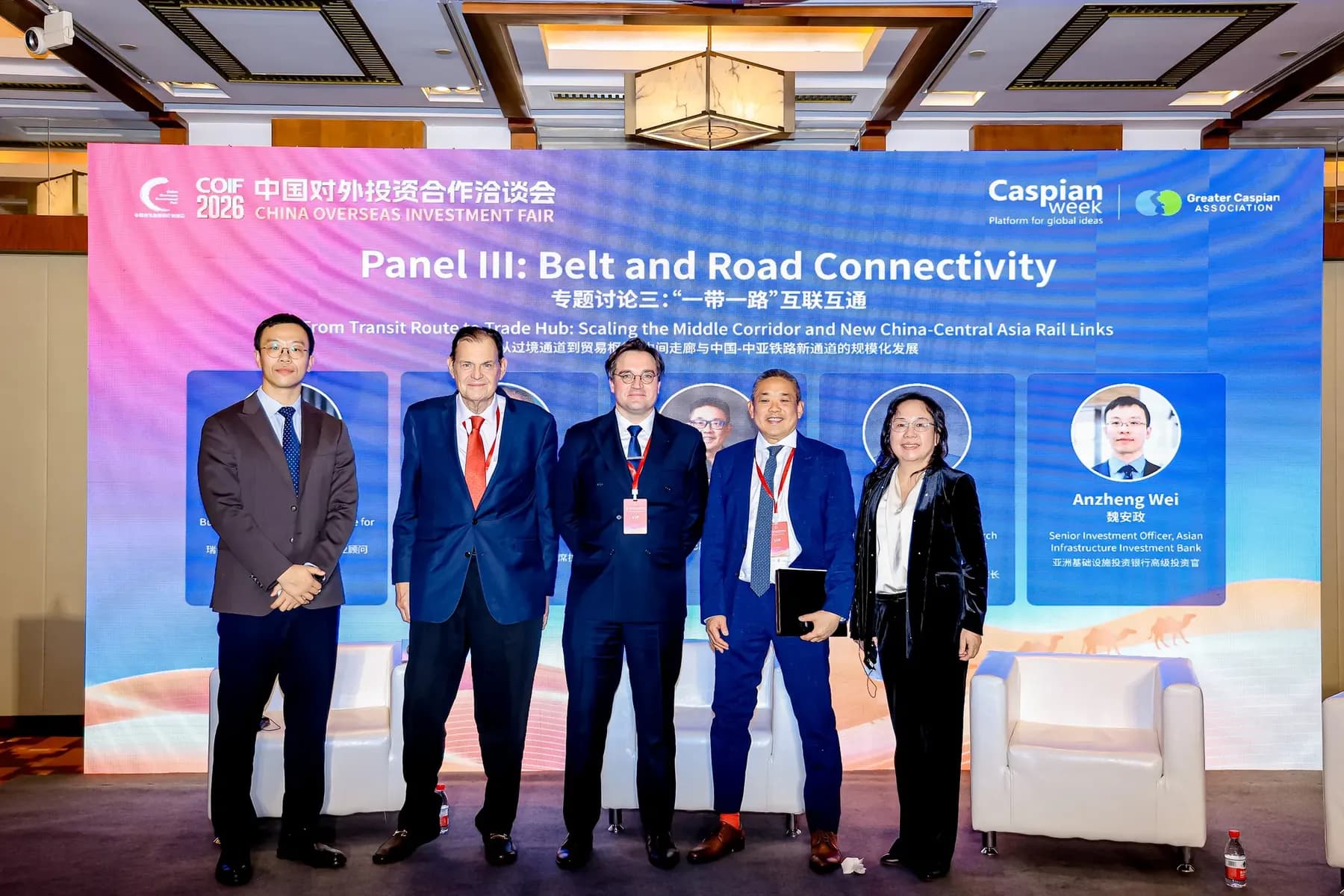
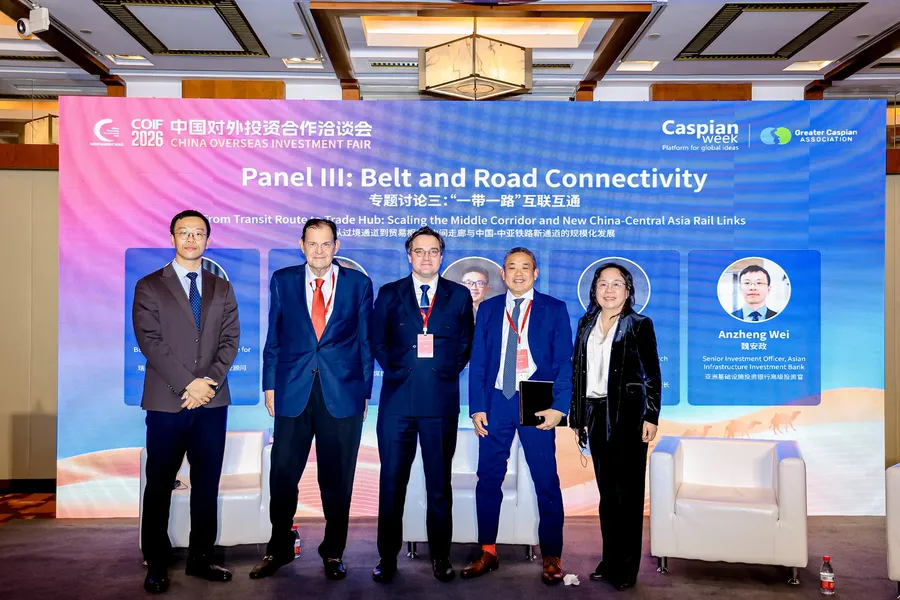
Panel III speakers and moderator after the session
01

One crane from ship to wagon

A direct transfer between ship and train at the ports of Aktau and Alat, built on both shores of the Caspian.

Eugene SeahPAKA GroupPanel III
02

A Middle Corridor index

An index of cost, transit time and reliability, built together with the Greater Caspian Association.

Li JinyingPlanning and Research Institute, China Federation of Logistics and PurchasingPanel III

Photos

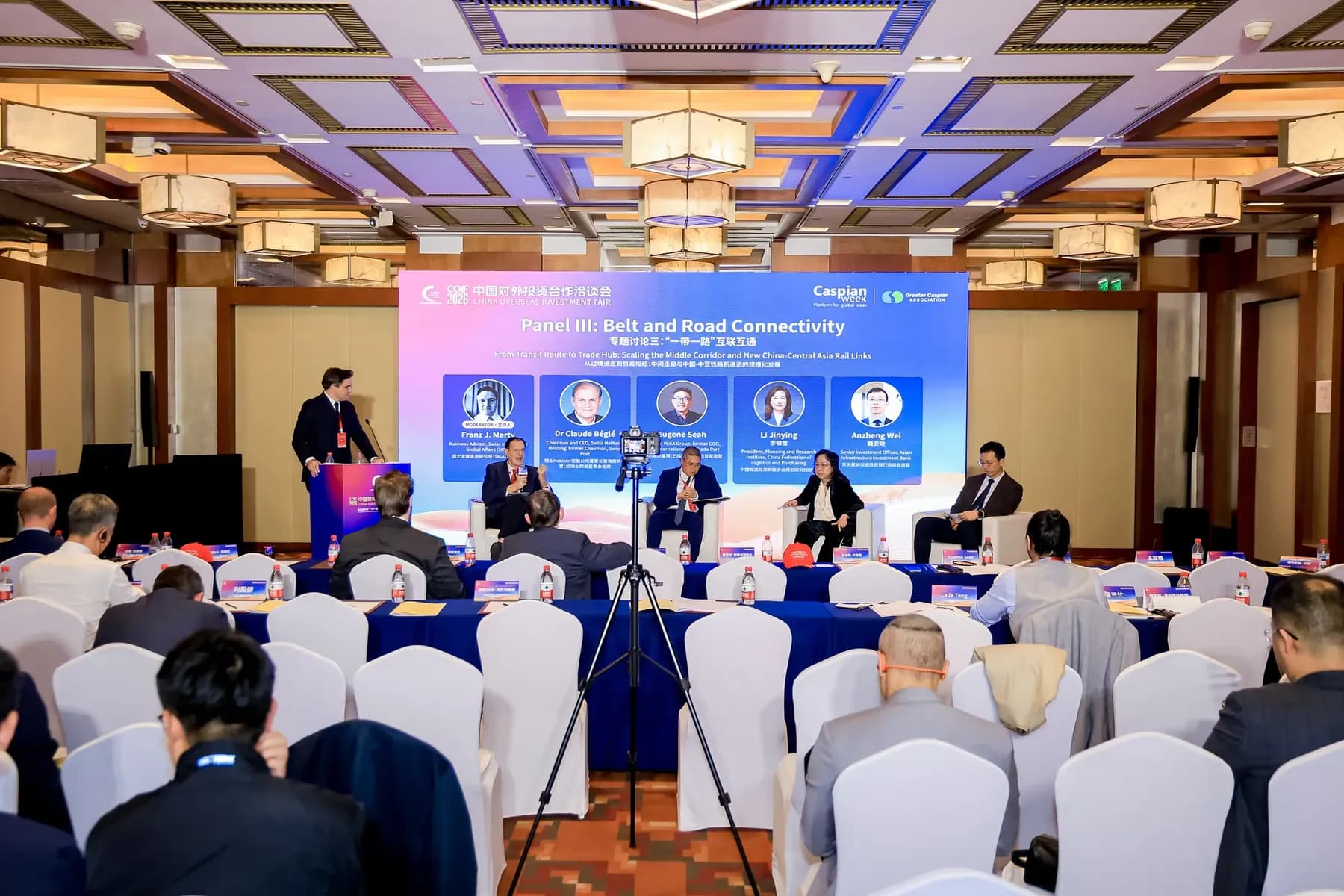
Panel III on Belt and Road connectivity
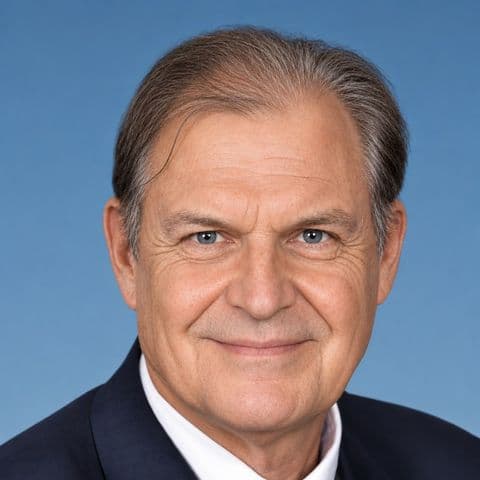
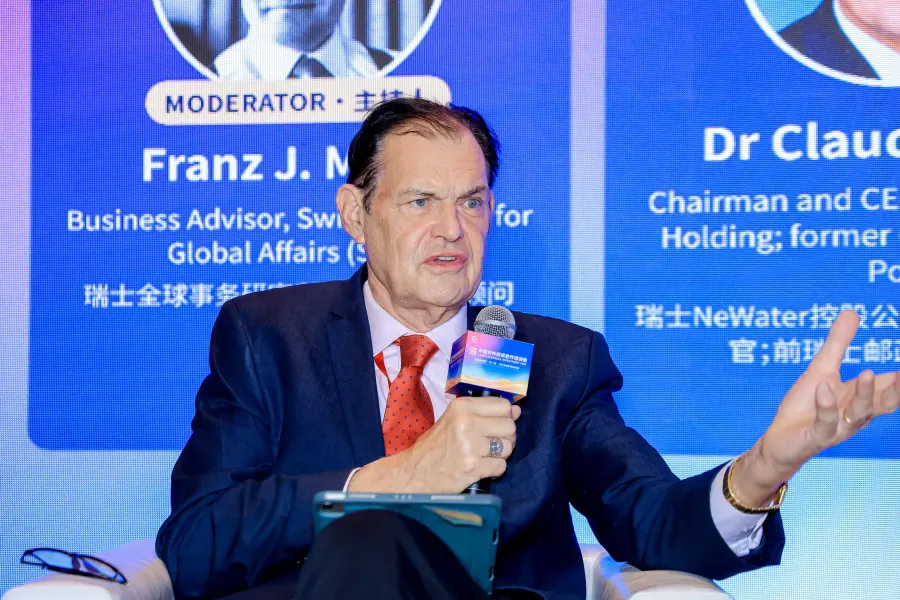
Dr Claude Béglé in Panel III
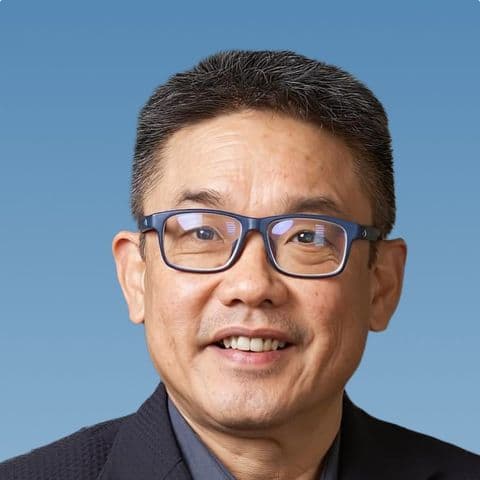
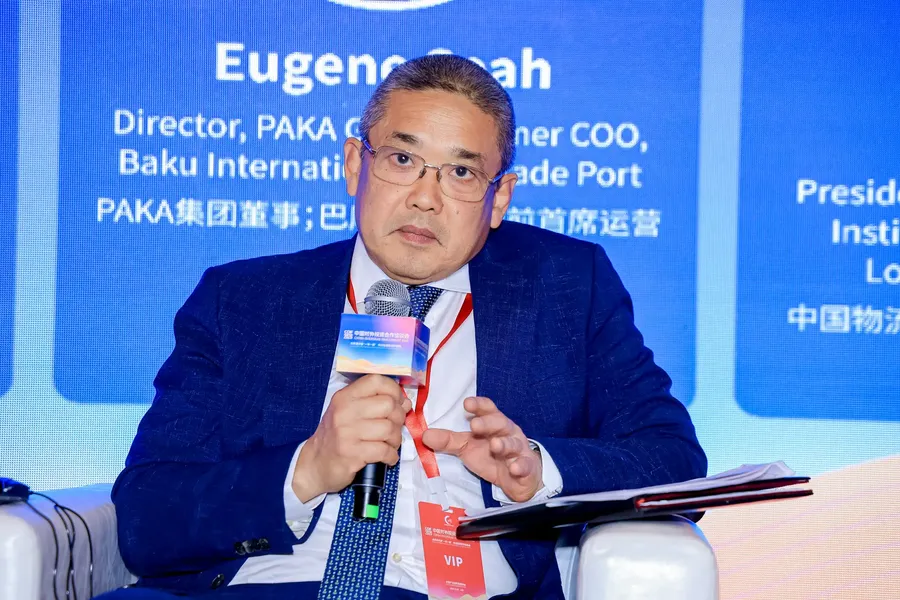
Eugene Seah, Director of PAKA Group, in Panel III
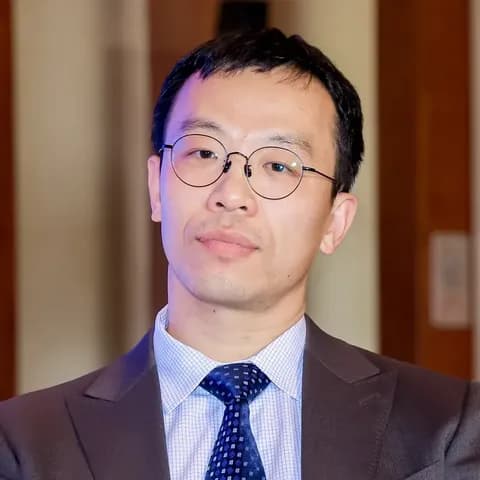
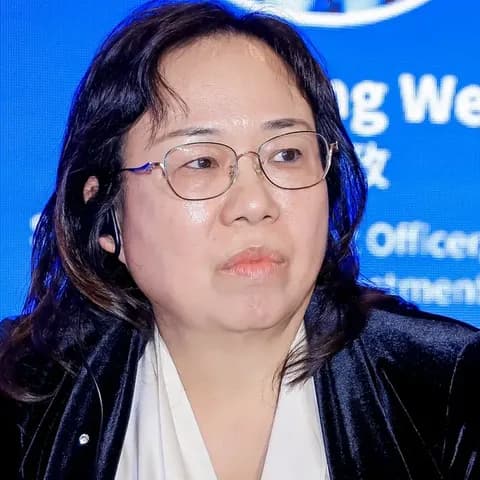
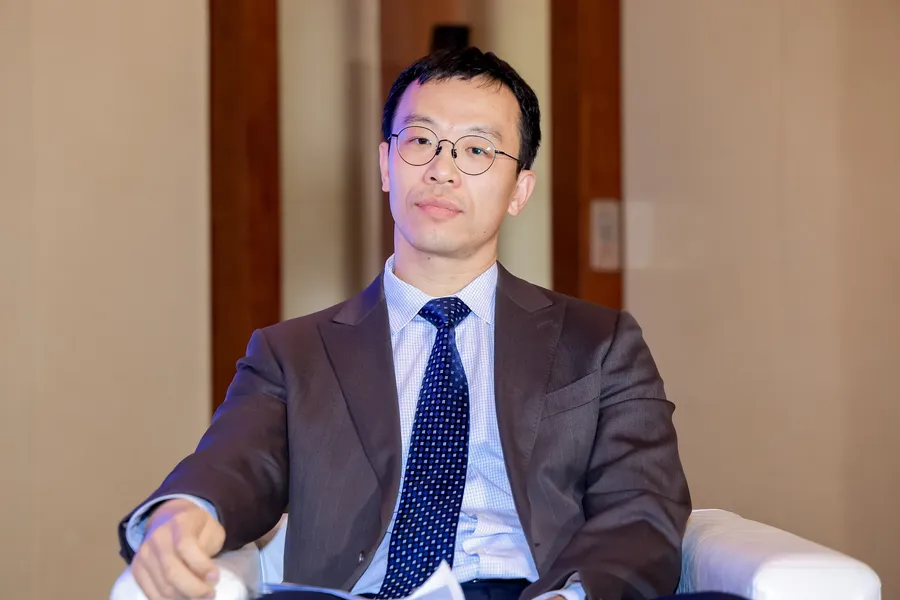
Anzheng Wei in Panel III
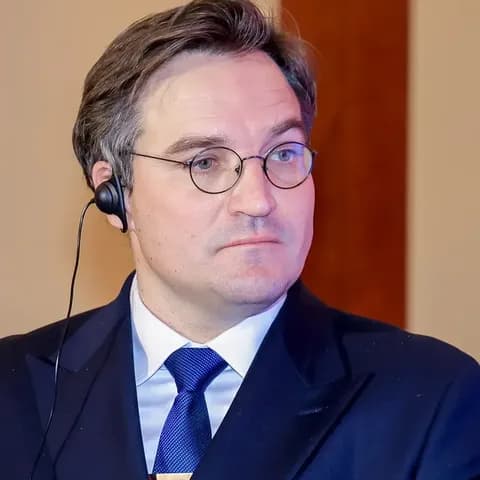
Franz J. Marty in Panel III
Franz J. Marty of the Swiss Institute for Global Affairs moderates Panel III
Anzheng Wei of the Asian Infrastructure Investment Bank in Panel III
Li Jinying, President of the CFLP Planning and Research Institute, in Panel III
Li Jinying in Panel III
Franz J. Marty moderates Panel III
Panel III speakers and moderator after the session